
The grain was always worth more than the day it was cut.
Every harvest in India runs into the same piece of arithmetic. KrishiMotto was built to change one number in it.
The price is lowest on the day you have the most
In Khorda, the Kharif paddy comes in all at once. So does everyone else's. The mandi knows it, the trader knows it, and the price knows it — it falls exactly when the farmer's yard is fullest.
A farmer could wait three months and earn considerably more. But waiting costs money he does not have: the next sowing, a school fee, an old loan, a wedding. So he sells at the bottom, every year, and calls it the way things are.
His wealth was real. It just couldn't speak.
He is not poor on the day he sells — he is sitting on tonnes of paddy. He is only illiquid. And a lender, quite reasonably, will not lend against a heap of grain in a shed he cannot see, weighed on a scale he does not trust, that might be sold twice or quietly disappear.
The grain was never the problem. The problem was that nothing could vouch for it.
It begins by walking the boundary
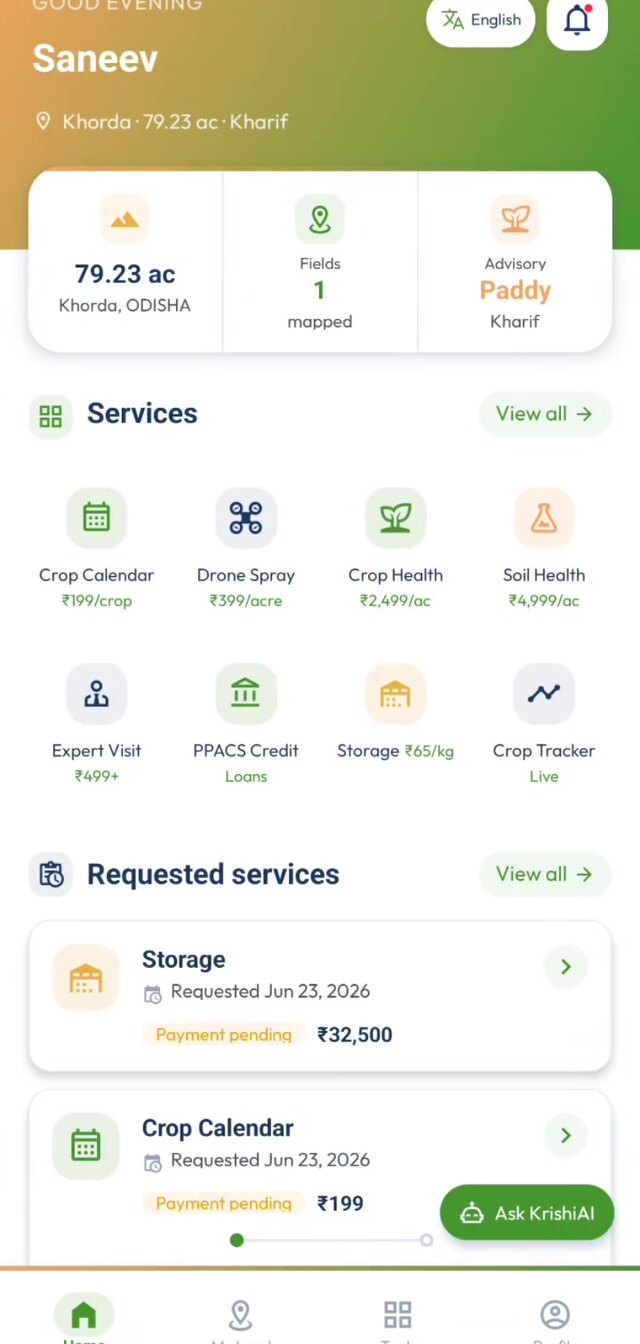
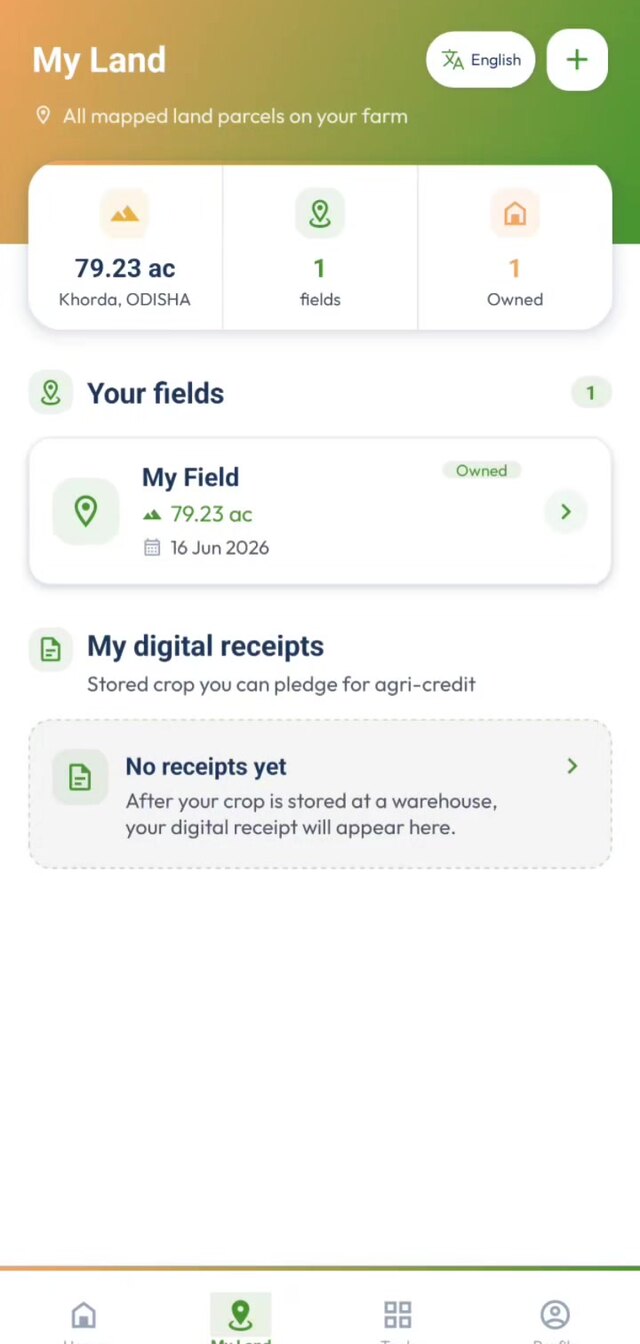
So we started where the farmer starts. He opens the app in Odia, taps his way around the edge of his own field, and 79.23 acres in Khorda become a shape the system understands.
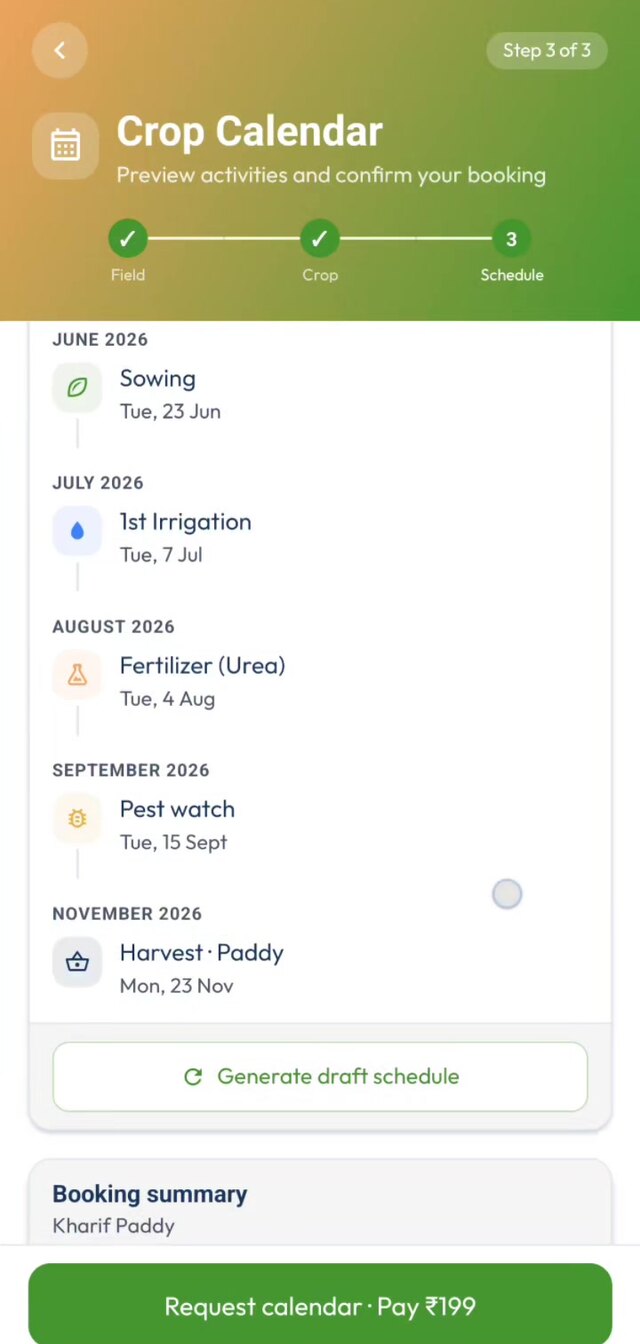
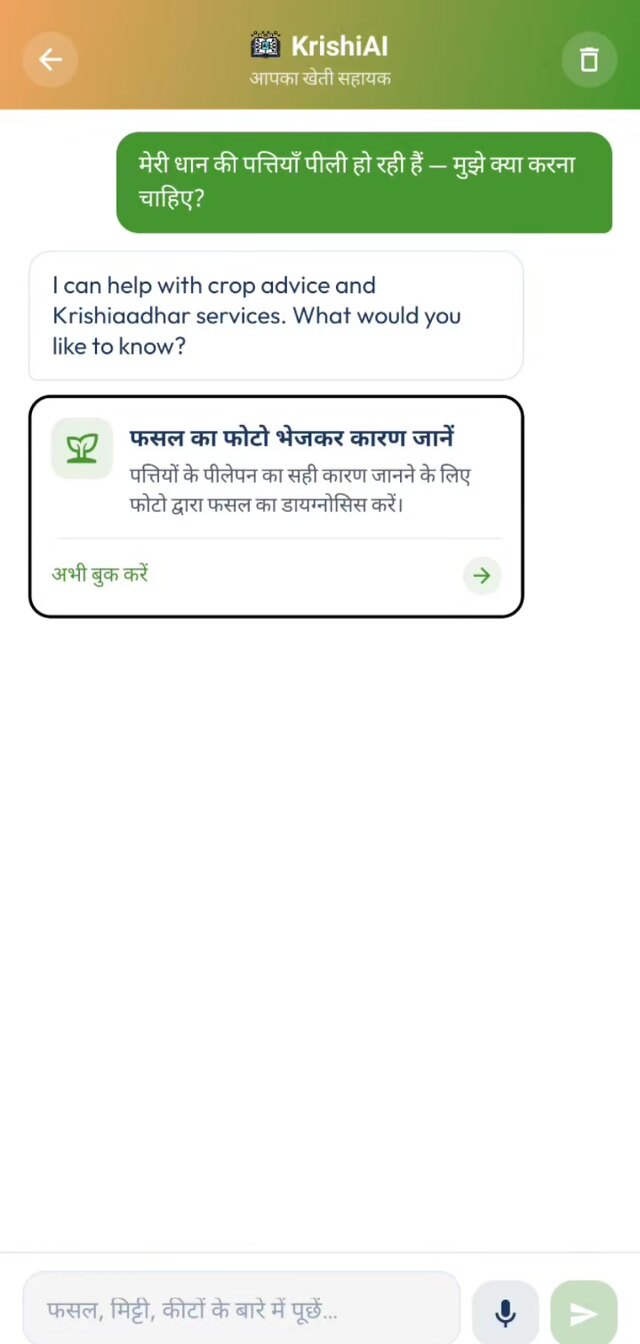
From that shape everything else follows: a 153-day crop calendar drafted for his paddy and checked by an agri-expert, a drone spray priced to his actual area, a multispectral look at the crop, a hyperspectral read of the soil. The field is no longer a story he tells. It is a record.
Weighed once, provable forever
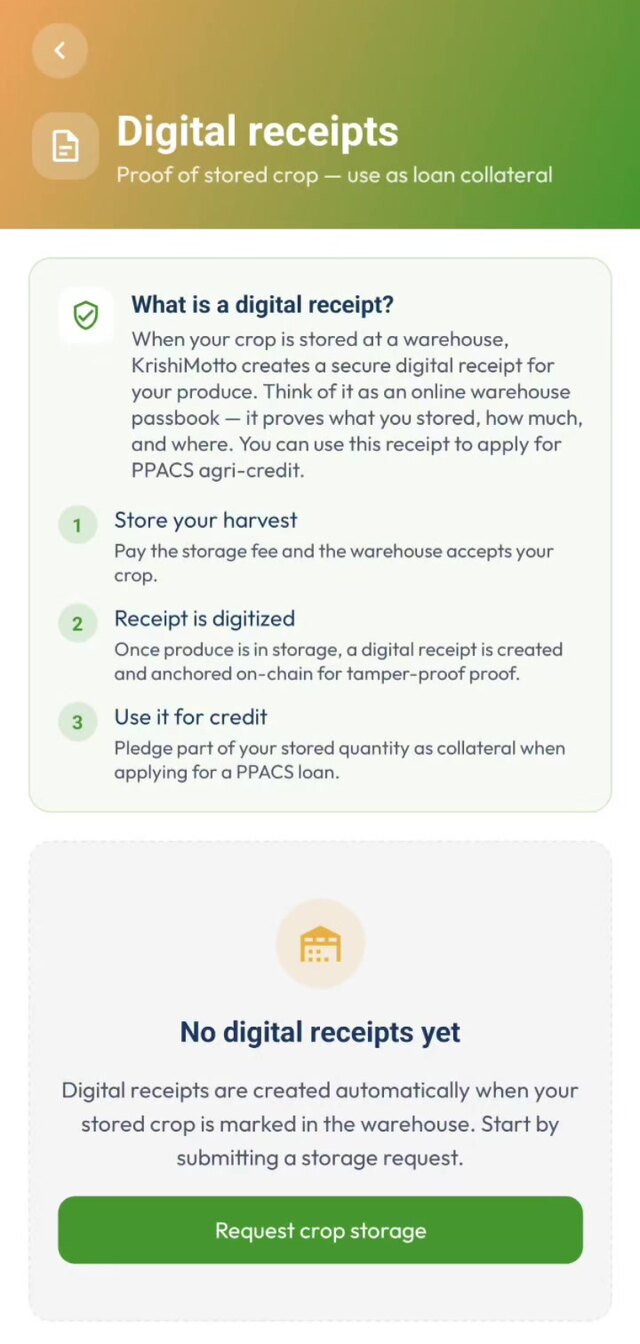
The harvest goes to a licensed warehouse instead of straight to the trader. Someone weighs it — and the weighed figure, not the hopeful one, is what counts. A QR trust-deed is printed and pasted onto the bags, and a digitised receipt is anchored on-chain with a hash anyone can check.
That is the quiet turning point of the whole thing. The sack in the shed and the record in the ledger are now the same object. Scan the bag, see the receipt.
A sensor that never sleeps, and a human who decides
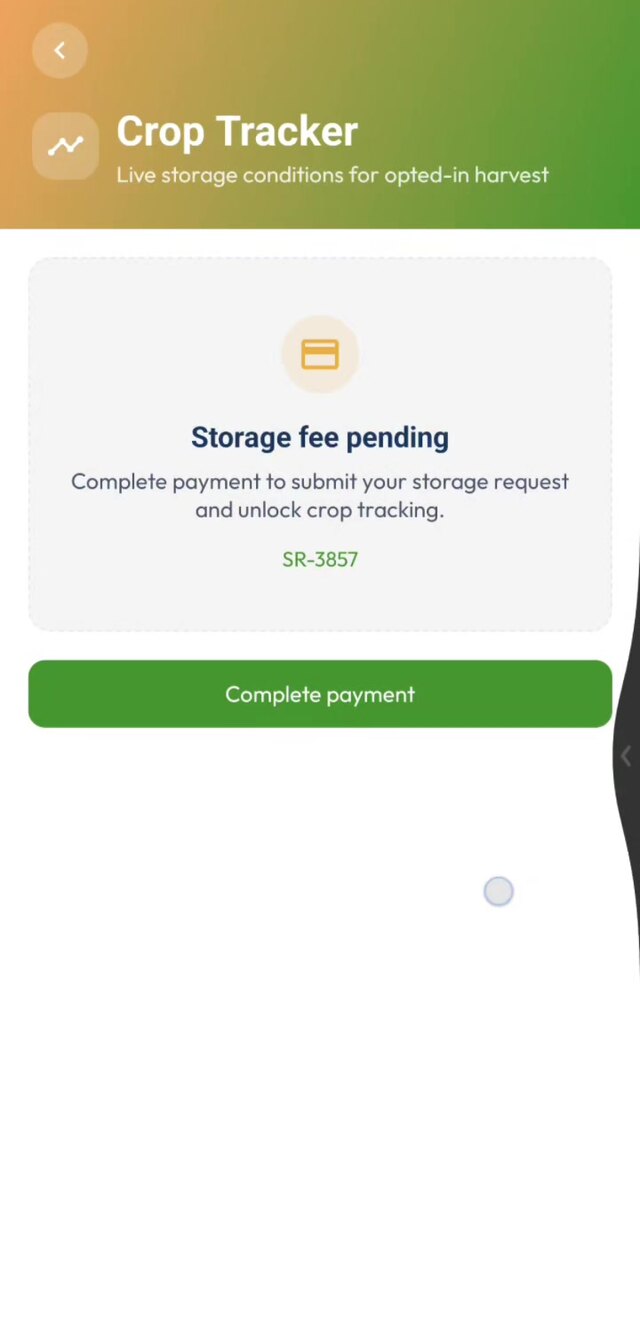
In bay B-12 a small sensor reports temperature, humidity, pressure and gas, hour after hour, onto the receipt itself. The collateral stops being a claim and becomes a live feed.
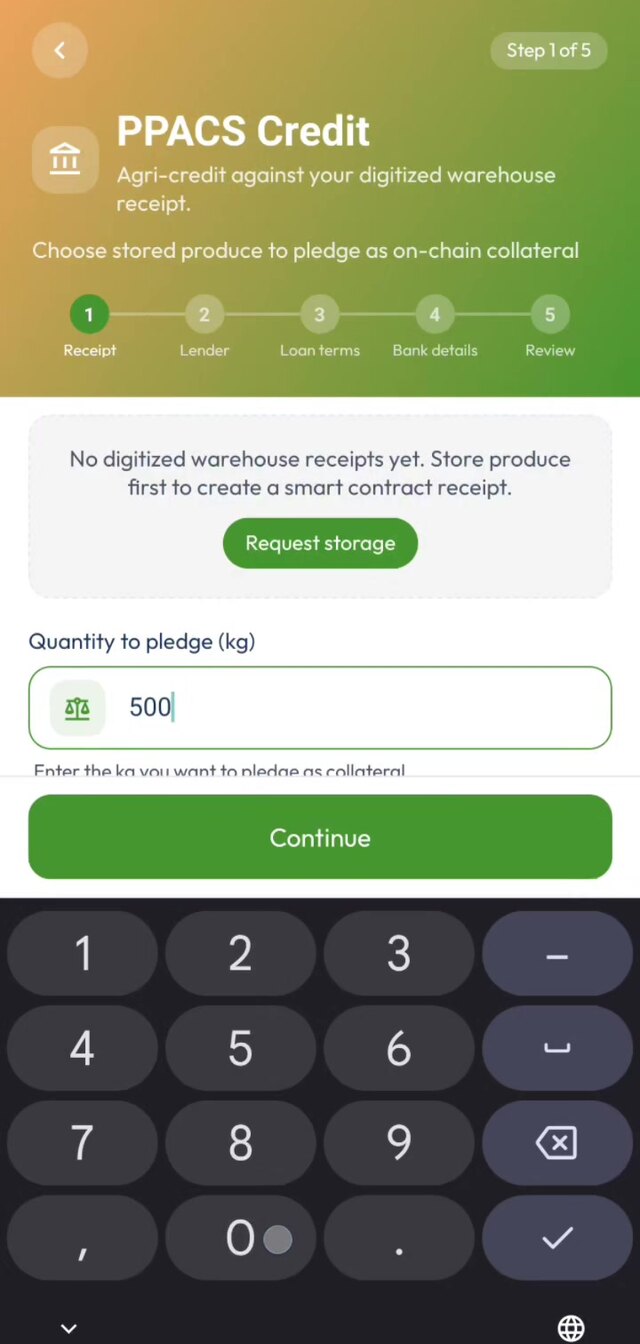
Now the farmer can ask. He completes his KYC, pledges the receipt, and a loan agent at the cooperative checks his identity, his bank details and the collateral — and then a person decides. Not an algorithm, not a guess. Approval writes a disbursement on-chain; rejection closes the file honestly.
The farmer never needed charity. He needed his own harvest to be believable.
And that is the whole change. Not a bigger yield, not a better price promised by someone else — just the freedom to choose the day he sells, because his grain can finally vouch for itself.
Empowered to Aspire.